
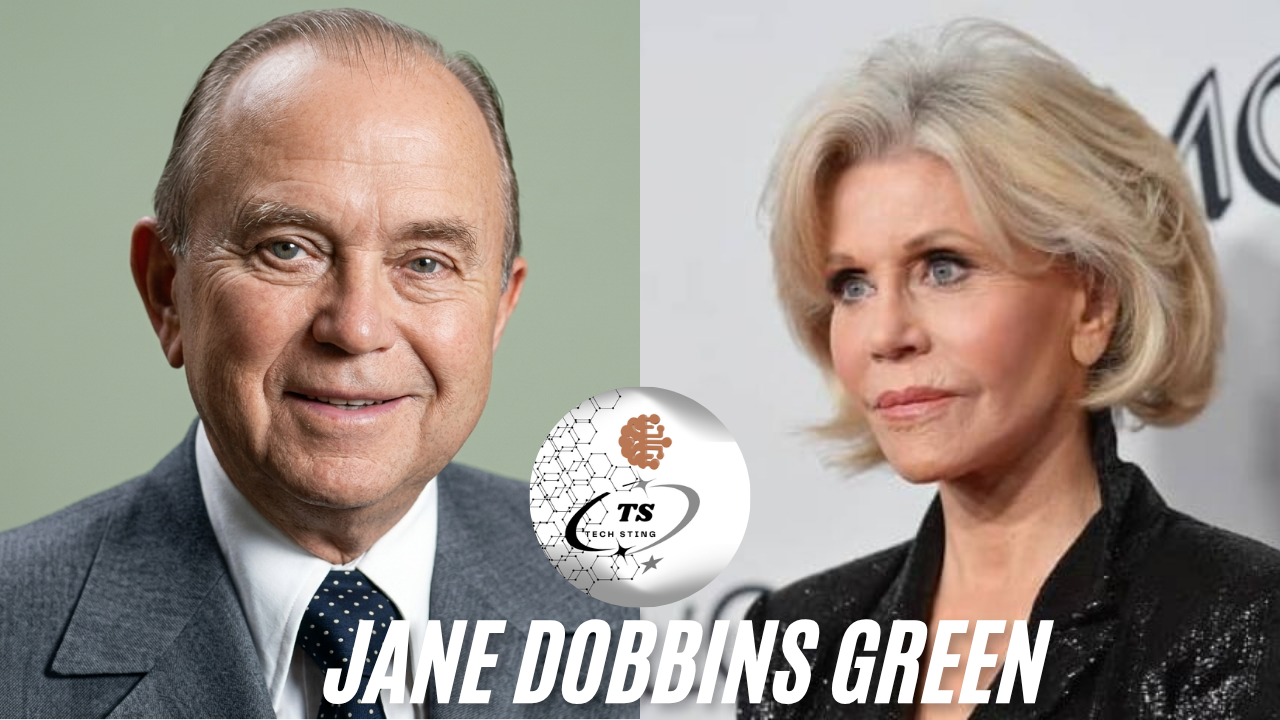
Jane Dobbins Green, an American woman, remains a largely private and somewhat mysterious figure, best known for being the second wife of Ray Kroc, the man who turned McDonald’s into a global brand. While she did not seek fame or public attention, her life intertwines with one of the most significant names in modern business history. This article delves into her life, her marriage to Kroc, and what happened after their divorce.
Early Life and Background
Jane Dobbins Green was born on November 22, 1911, in Walla Walla, Washington, a small town that set the stage for her early years. Little is known about her family and childhood, but her upbringing in this quiet corner of the United States shaped a life that was destined to intersect with the world of American business.
Her father, Warren Dobbins, and mother, Myrtle Duncan Frechette, were key figures in her formative years, but her public life remained modest. She was a woman who lived far away from the spotlight that eventually enveloped her due to her marriage to Ray Kroc.
Career Before Meeting Ray Kroc
Before becoming widely known as Ray Kroc’s wife, Jane led a private life. Most reports suggest that she worked as a secretary. Her professional background before meeting Kroc, however, is not detailed in public records. There are mentions that she worked for the legendary John Wayne, though specifics about her role remain scarce. Despite the lack of extensive information on her career, Jane’s job as a secretary reflects a background in office work, which was typical for many women of her time.
Jane Dobbins Green Meeting Ray Kroc
In the early 1960s, Jane’s life changed when she met Ray Kroc, the man behind the expansion of McDonald’s. By this time, Kroc was already a successful businessman, having turned the McDonald brothers’ small fast-food restaurant into an empire. Their exact first meeting is not widely documented, but reports suggest that their paths crossed either through mutual professional circles or social events.
Ray Kroc, born in 1902, was already significantly older than Jane. He was a man who had experienced both success and personal setbacks, including the end of his first marriage. At the time of their meeting, he was on the brink of transforming McDonald’s into a household name. Jane, though not involved in the business world in the same way, played a supportive role in Kroc’s personal life.
Jane Dobbins Green Marriage to Ray Kroc
Jane and Ray Kroc married on February 23, 1963, marking the beginning of a short but notable chapter in their lives. At the time, Kroc was already in his 60s, and his business empire was expanding rapidly. The couple’s union, though significant, was not in the public eye as much as Kroc’s later marriages. Jane preferred a quieter life, which meant that she did not often appear in public with Kroc or engage with the media about their relationship.
Their marriage lasted for five years, a period that some sources suggest was marked by difficulties. Ray Kroc was still deeply invested in McDonald’s growth, and Jane’s more private nature may have created a disconnect between the two, who had vastly different ways of living. However, despite their differences, their marriage symbolized a partnership that was both personal and, in some ways, integral to the Kroc family’s history.
The Divorce and Aftermath
In 1968, Jane and Ray Kroc’s marriage came to an end. The reasons for their divorce are not extensively documented, but reports suggest that there were emotional differences, with Kroc reportedly developing feelings for another woman during their marriage. Ray had a reputation for being emotionally tied to his business, and the pressures of his career might have played a role in their separation.
The divorce was quiet, with no major scandals or public feuds. Jane, preferring to remain out of the media spotlight, did not make any public statements about the divorce. Unlike many celebrity divorces that become media spectacles, Jane’s life after her split from Ray Kroc was largely private.
Jane Dobbins Green Life After Divorce
After her divorce from Ray Kroc, Jane Dobbins Green kept a low profile, disappearing from the public eye. She did not engage in any public interviews or seek fame. She reportedly remarried later in life to Paul D. Whitney in 1984, though details about her second marriage are scarce.
Jane continued to live a quiet life away from the spotlight, reflecting her preference for privacy rather than the fame that came with her marriage to one of America’s most famous businessmen. While Ray Kroc’s name became synonymous with McDonald’s, Jane remained a more shadowy figure, known only to those closest to her.
Jane Dobbins Green Death and Legacy
Jane Dobbins Green passed away on August 7, 2000, at the age of 88. She died in Los Angeles, California, and was buried in Westwood Memorial Park, a cemetery known for hosting numerous Hollywood stars. Jane’s passing did not attract widespread media attention, which was consistent with her life’s preference for privacy.
Her legacy, though not one of public fame, is linked to the history of Ray Kroc and McDonald’s. While Jane’s personal contributions to the McDonald’s legacy remain unknown, her connection to Kroc ensures that she is a part of the history of the fast-food giant, even if she did not play an active role in its rise.
Conclusion
Jane Dobbins Green’s life, though quiet and largely private, is an integral part of the story of Ray Kroc and the rise of McDonald’s. Her story reflects the complexities of being married to a man who was at the forefront of a revolutionary business. Unlike many figures who live in the shadow of fame, Jane Dobbins Green’s preference for privacy set her apart from the more public-facing aspects of Ray Kroc’s life.
Her story is a reminder that not all important figures in history are those who seek the spotlight. Sometimes, the quiet ones play a significant role behind the scenes, and Jane Dobbins Green was undoubtedly one of those individuals.
Her life, filled with both personal struggles and moments of connection to a global icon, remains a testament to the quiet power of those who choose to live away from the public gaze.
